
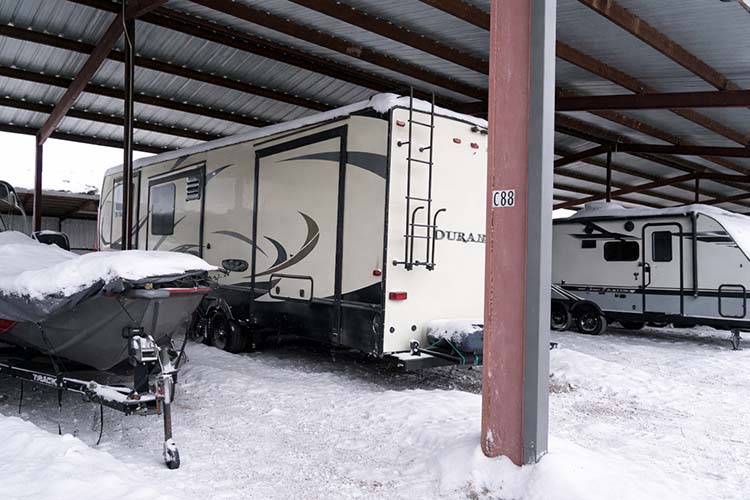
When a hard freeze hits North Texas, it doesn’t just affect homes and pipes. RVs and boats are just as vulnerable, especially when temperatures drop quickly and stay cold longer than expected. Even if everything looks fine at first glance, hidden damage can surface weeks later if it goes unchecked.
Now that we’re coming out of a recent cold snap, this is the perfect time for RV and boat owners to do a careful inspection before spring trips begin. A few simple checks now can help prevent costly repairs and frustrating delays later.
Start with Water Lines and Plumbing
Water systems are often the first place where freeze damage shows up. Even if your RV or boat was winterized, extreme or extended cold can still cause issues.
What to check:
- Cracked or bulging water lines
- Loose or leaking fittings
- Signs of moisture around water heaters, pumps, or valves
According to RV industry experts, plumbing damage is one of the most common post-freeze problems owners encounter. This overview from Dutchmen RV does a good job explaining why proper inspection matters even after winterization:
👉 https://dutchmen.com/en/blogs/the-ultimate-guide-to-rv-storage-essential-tips-for-every-climate
If you notice reduced water pressure or unexplained damp areas, that’s a strong signal something froze and expanded.
Inspect Seals, Caulking, and Exterior Surfaces
Cold weather causes materials to contract, which can weaken seals around windows, doors, roof seams, and storage compartments.
Look for:
- Gaps or cracking in caulk
- Brittle or peeling rubber seals
- Hairline cracks in fiberglass or plastic components
Even small openings can allow moisture in, leading to mold or interior damage once temperatures rise.
Check Batteries and Electrical Systems
Cold weather is tough on batteries, especially if they weren’t disconnected or kept charged.
After a freeze, check:
- Battery charge levels
- Corrosion on terminals
- Sluggish electronics or warning lights
Battery manufacturers and RV service centers routinely warn that extreme cold can permanently reduce battery life. Go RVING regularly highlights battery care as a critical part of seasonal RV maintenance:
👉 https://www.gorving.com/tips-inspiration/expert-advice/go-rvings-complete-guide-rv-battery-care
If a battery drains unusually fast or struggles to hold a charge, it may have been weakened by the cold.
Look for Signs of Moisture or Condensation Inside
Rapid temperature swings often create condensation inside enclosed spaces. Left unchecked, moisture can lead to mold, mildew, or musty odors.
Inspect:
- Cabinets and storage bays
- Flooring near exterior walls
- Upholstery and soft surfaces
If you notice moisture or odor, airing things out early can prevent long-term issues.
Examine Tires and Suspension Components
Cold temperatures can affect tire pressure and rubber integrity.
Be sure to:
- Check tire pressure and adjust as needed
- Look for sidewall cracking
- Inspect suspension components for stiffness or damage
Tires that sat through a freeze underinflated are more prone to flat spotting and premature wear.
Don’t Ignore Small Warning Signs
One of the most common mistakes owners make after a freeze is assuming that no visible damage means everything is fine. Small leaks, weak seals, or electrical issues often worsen over time.
If something feels off, it’s worth addressing now before the busy spring and summer travel season begins.
Getting Ahead of Spring Adventures
Texas weather is unpredictable, but a post-freeze inspection puts you back in control. By taking a little time now to check your RV or boat, you can avoid last-minute repairs and enjoy a smoother start to the season.
For RV and boat owners who value preparation and peace of mind, these small steps make a big difference. Spring adventures are right around the corner. Make sure your equipment is ready to enjoy them.